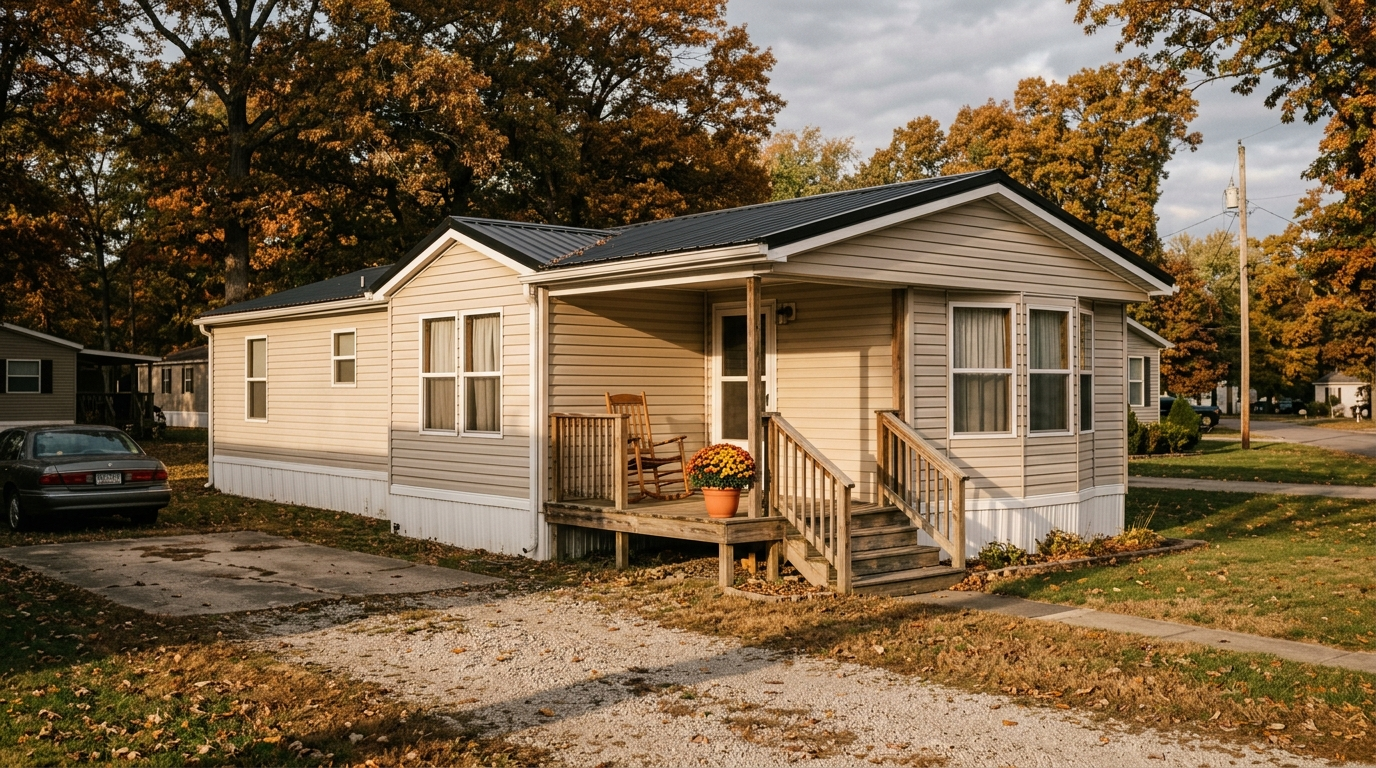
Renters insurance Ohio cost: what most people pay and why
If you rent an apartment or house in Ohio, renters insurance is one of the most affordable ways to protect yourself financially. The average renters insurance Ohio cost runs between $12 and $20 per month for a standard policy, which works out to roughly $144 to $240 per year . That is less than most people spend on a single tank of gas. Yet surveys consistently show that more than half of all renters go without it, often because they assume it is expensive or that their landlord's policy covers them. Neither assumption is correct. Below is a plain breakdown of what you get, what it costs, and what pushes your premium up or down.
What renters insurance actually covers
A standard Ohio renters policy is built around three core protections. Knowing what each one does makes it easier to decide how much coverage you need.
Personal property coverage
This pays to repair or replace your belongings if they are stolen, destroyed by fire, or damaged by a covered event such as a burst pipe or windstorm. Think through everything you own: furniture, electronics, clothing, kitchen appliances, sports equipment, musical instruments. Most renters underestimate the total value until they sit down and add it up. A modest one-bedroom apartment can easily hold $20,000 to $40,000 worth of belongings.
One distinction matters before you buy: actual cash value (ACV) versus replacement cost value (RCV) . ACV pays what your item was worth at the time of loss, after depreciation. RCV pays what it would actually cost to buy a new replacement. A two-year-old laptop might have an ACV of $300 but a replacement cost of $900. RCV coverage costs slightly more per month, but that difference becomes significant when you file a claim.
Liability coverage
Liability protection covers you if someone is injured in your rental unit or if you accidentally cause property damage to others. If a guest slips on your wet floor and breaks their wrist, or if you leave a bathtub running and water leaks into the unit below, your renters policy can pay for medical bills and legal costs up to your limit. Most standard policies start at $100,000 in liability coverage , and bumping that up to $300,000 typically adds only a few dollars a month.
Loss of use (additional living expenses)
If a covered event makes your rental unit temporarily uninhabitable, this portion of your policy pays for a hotel, short-term rental, and extra meals while repairs are made. For Ohio renters, where severe thunderstorms and winter ice storms can cause real structural damage, this coverage keeps you from draining your savings on emergency lodging after a bad storm.
What is and is not covered
Renters insurance covers a specific list of named perils in most standard policies. Common covered events include fire and smoke, theft and vandalism, windstorm and hail, lightning, and water damage from burst pipes or accidental overflow. What it typically does not cover:
- Flooding. Damage from rising water, overflowing rivers, or heavy rain seeping in from outside is excluded from standard renters policies. If you rent near the Ohio River or in a low-lying area, a separate personal flood policy is worth looking into.
- Earthquakes. Ohio does experience minor seismic activity, particularly in the northeast, but earthquake damage requires a separate endorsement or policy.
- Your vehicle. Your car parked in the lot is covered by your auto policy, not your renters policy, though items stolen from inside your car may have limited renters coverage depending on the carrier.
- Roommate belongings. Unless a roommate is listed on your policy, their belongings are not covered under your renters insurance.
- High-value items above policy sublimits. Jewelry, cameras, firearms, and collectibles often have per-item or category caps. A scheduled item endorsement or a jewelry policy can fill those gaps.
What drives the cost of renters insurance in Ohio
Ohio's average renters premium is slightly below the national average. Your specific rate, though, depends on several factors that insurers weigh individually.
Coverage amounts
The more personal property coverage you select, the higher the premium. Going from a $15,000 personal property limit to a $40,000 limit might add $4 to $8 per month depending on the carrier. Do a rough home inventory before you pick a number rather than guessing low and ending up underinsured.
Your deductible
A higher deductible lowers your premium. Choosing a $1,000 deductible instead of a $500 deductible can reduce your annual premium by $20 to $40. That trade-off makes sense if you have enough savings to cover the higher deductible out of pocket when a claim arises.
Location within Ohio
Rates vary by zip code. Renters in urban areas like Columbus, Cleveland, or Cincinnati may pay slightly more than those in smaller towns because of higher theft rates and claim frequency. Rural Ohio renters often see lower premiums, though proximity to flood-prone areas can offset that advantage.
Credit history
Ohio law permits insurers to use credit-based insurance scores in underwriting. Renters with strong credit tend to pay lower premiums. This is one reason to shop policies through an independent agent who can run quotes across multiple carriers to find the one that weighs your credit profile most favorably.
Claims history
Prior renters insurance claims, especially multiple claims in a short window, can increase your rate. Carriers access the CLUE (Comprehensive Loss Underwriting Exchange) database to review your history. One claim typically has a modest impact; two or more in three years can be significant.
Security features
Deadbolts, smoke detectors, burglar alarms, and sprinkler systems can qualify you for discounts. If your building has a monitored security system or a doorman, mention it when you apply.
Bundling with auto insurance
Bundling is one of the most reliable ways to cut costs. Most carriers offer a 5% to 15% multi-policy discount when you bundle your renters and auto policies together. On a $180-per-year renters policy, that could bring the cost closer to $150 after the discount, while your auto premium drops as well. You can read more in our post on how much bundling home and auto can really save you.
Ohio renters insurance cost by coverage level: a quick comparison
The table below gives a practical sense of what different coverage levels cost, based on typical Ohio market rates. These are estimates; your actual quote will depend on the factors above.
- Bare minimum coverage ($15,000 personal property / $100,000 liability / $500 deductible, ACV) : approximately $10 to $13 per month
- Mid-range coverage ($30,000 personal property / $100,000 liability / $500 deductible, RCV) : approximately $14 to $18 per month
- Higher coverage ($50,000 personal property / $300,000 liability / $500 deductible, RCV) : approximately $18 to $25 per month
- Higher coverage with scheduled items (add $10,000 in jewelry or camera equipment) : add roughly $5 to $15 per month on top of the base premium
For most Ohio renters, the mid-range tier is the right fit. It provides enough personal property coverage for a furnished apartment, solid liability limits, and replacement cost so depreciation does not reduce your payout on a claim.
Common renters insurance mistakes to avoid
Even people who buy renters insurance sometimes leave gaps in their coverage without realizing it. Check these points before you finalize your policy.
- Choosing ACV instead of RCV. The lower upfront premium is tempting, but depreciation reduces your payout quickly on electronics and appliances.
- Setting personal property limits too low. Take 20 minutes to walk through your unit and estimate the replacement cost of everything you own. Most people come out significantly above their initial guess.
- Skipping a liability coverage review. $100,000 sounds like a lot until you factor in legal fees and medical costs from a serious injury. Bumping to $300,000 is usually very affordable.
- Not telling your insurer about high-value items. Most policies cap jewelry at $1,500 and firearms at $2,500. If you own pieces above those sublimits, you need a scheduled endorsement or a standalone policy.
- Assuming your landlord's insurance protects you. It does not. Your landlord's policy covers the building structure. Your personal belongings and personal liability are entirely your responsibility.
If you are a landlord reading this and wondering about the other side of this equation, there is a good breakdown of how landlord insurance and renters insurance differ and what each covers.
Is renters insurance required in Ohio?
Ohio state law does not require renters to carry insurance. However, many landlords include a lease clause requiring tenants to maintain a renters policy with a minimum liability limit, sometimes with the landlord listed as an interested party. Even if your lease does not require it, carrying coverage is straightforward financial protection. Your landlord can require you to leave the premises if the unit is damaged and has no obligation to cover your belongings or temporary housing costs.
One more point for Ohio renters who drive: your personal auto policy covers your vehicle, but your renters policy may cover personal items stolen from inside it, subject to limits and your deductible. For a closer look at auto coverage requirements that apply separately, see our overview of Ohio auto insurance minimum requirements.
Get a renters insurance quote in Ohio with The Hutch Agency
The Hutch Agency is an independent insurance agency serving renters across Ohio and the surrounding region. Being independent means we are not locked into one carrier. We shop your coverage across multiple insurers to find the combination of price and protection that fits your situation, whether you are renting a studio apartment, a house, or a place while your home is being built.
If you are ready to see what renters insurance Ohio cost looks like for your specific situation, reach out to us online at our contact page or call us directly at (740) 886-7200 . A quick conversation is usually all it takes to get a clear picture of your options and find coverage that fits your budget.